
Dead Internet Theory is the idea that there are now more bots than humans using the internet. The theory says that bots create more content than humans, that search engines deliberately don't index the entire web, and that link rot contributes to bot-generated sites getting more traffic. According to Hal Berghel, Professor of Computer Science at UNLV, the crux of Dead Internet Theory is that algorithmically-generated content and generative AI make it difficult for some people to distinguish actual human-generated content, resulting in mistrust and misinformation. So, one of two things happens. Either we find information we don't trust (and then have to decide whether to spend time vetting it), or we blindly trust incorrect information. The former means expending energy - first on the decision and then on the vetting, while the latter can have real life consequences.

What does this mean for people looking for information?
If Google (most people's default search engine even now) is pushing AI answers and failing to thoroughly index the web, how are we supposed to find good, trustworthy information? What ten years ago would have been an easy task is now complicated by generative AI.
Various studies have shown that generative AI is as likely to give an incorrect answer as a correct one, and more often than not makes up its sources. Despite this, the number one top response on Google is now Gemini's AI answer.
This means that every time we search for information on the internet, we have to stop and think. Do we trust the top answer, or do we scroll down and look for a more trust-worthy link?
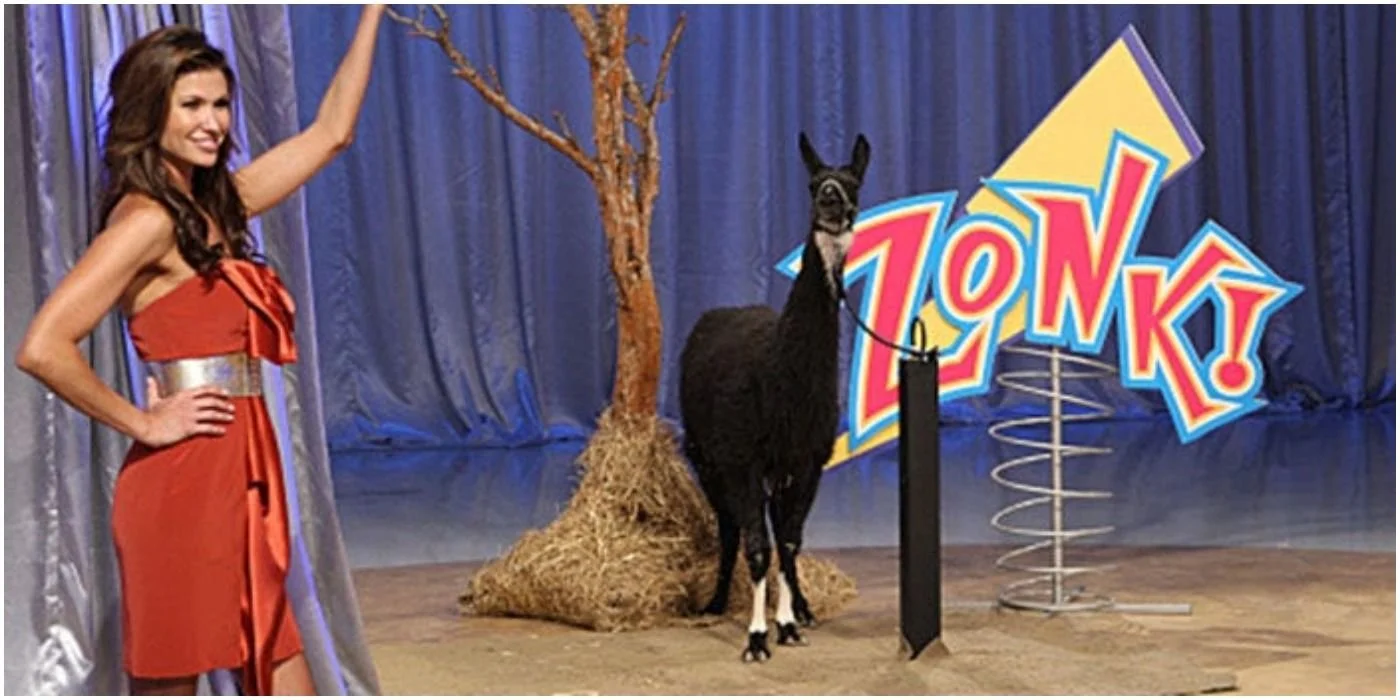
You could argue that this was always the case, but deciding which link to follow to get a good answer is different from having an easy (but potentially wrong) answer handed to you and then having to decide if you're going to take the time to try for a different answer. Do you stick with Door #1, which might hold a goat? Or do you take the time and energy to peek in a few other doors? An awful lot of people are going to take their chance with the goat.
Why? because the other option is more work, and we just don't have it in us.
Half of what we see online is fake anyway, so what does it matter? If the alternative is spending effort, time, and energy - the last two of which are in short supply - well then, the goat will do.
Information Ennui
I call this information ennui. We are bombarded by information all day, every day. Much of it is short-form - quick bursts of dopamine, algorithmically calculated to keep us consuming. We accept this, whether we should or not. Many of us consume multiple sources of information simultaneously for most of the day. I'm currently writing this blog post with the TV on "in the background" and my phone next to me pinging notifications every few minutes. If it takes us an average of 47 seconds to regain our focus ever time we're interrupted, what is my background TV doing to me? When our brains are fragmented by constant interruptions, we simply don't have the cognitive capacity to fact check every AI answer.
Another aspect of information ennui is the feeling that we're never going to catch up. There is always another blog post, another newsletter, another trade journal, another podcast, another, another, another.... There is no possible way we can ever consume all the information we feel like we should. This can lead to feelings of inadequacy, overwhelm, and imposter syndrome because we perceive others to be "keeping up," so why can't we?
Let's go back to that goat for a moment. The goat represents a tension between our laziness exhaustion and our actual desire for reliable answers. Though the tired part of our brain wants to settle for the goat, the consequences of that decision are too high to ignore.

Book pile photo by Evan Bench, austinevan on Flickr, August 24, 2007.
The Silver Lining
The good news is, we can make it a little easier on ourselves with just a little bit of curation. Museums, libraries, and archives have been doing this for centuries. Take some time to look at available sources of information, pick the best of the best, and (at least for a while) ignore the rest.
If half the internet is garbage, we don't have to let it overwhelm us. Instead, we can seek out the good stuff. Be picky. Separate the wheat from the chaff. Take an hour or two to find a few publications that you trust. Choose one or two for each aspect of your life. Maybe a daily news source, a financial magazine, a website about your hobby, and a couple of scholarly or trade journals in your field of business.
Keep it under 10 publications. The point is not to overwhelm ourselves. Once you've chosen your information diet, decide how you're going to consume it. Maybe you want to set up an RSS reader. Maybe bookmark everything and visit once a week. However you decide to consume, make it a habit. Then, next time a shiny new newsletter or "must read" blog comes your way, remind yourself that you already have a trusted source for that.
But don't feel like you're locked in for life. Establish a schedule to revisit, refresh, and re-cultivate. Something not working for you anymore? That shiny new newsletter keeps popping up and tempting you? Replace something. It's okay. It's yours.
And that's the whole point. You are in charge. You get to choose. Not the algorithm.
Now that you've got your curated list of information sources, make a habit of reading them. Find a time of day (or of the week) when your energy is a little lower. Maybe you don't have it in you to create, but you can do some low-key consuming. Take that time to read through your chosen sources, check them off like a to-do list, and when you're done, you're done.

Conclusion
The internet might be filling up with garbage, but that is the silver lining. The sheer volume of noise allows us to take control and reclaim our attention without worrying that we’re missing out on something. Because all we’re missing out on is trash. We don't have to navigate a maze of a million doors just to avoid a goat. By building our own intentional information diet, we get to choose which doors stay open and which ones we lock. We are in control, not the decaying algorithm. Screw the algorithm.
